


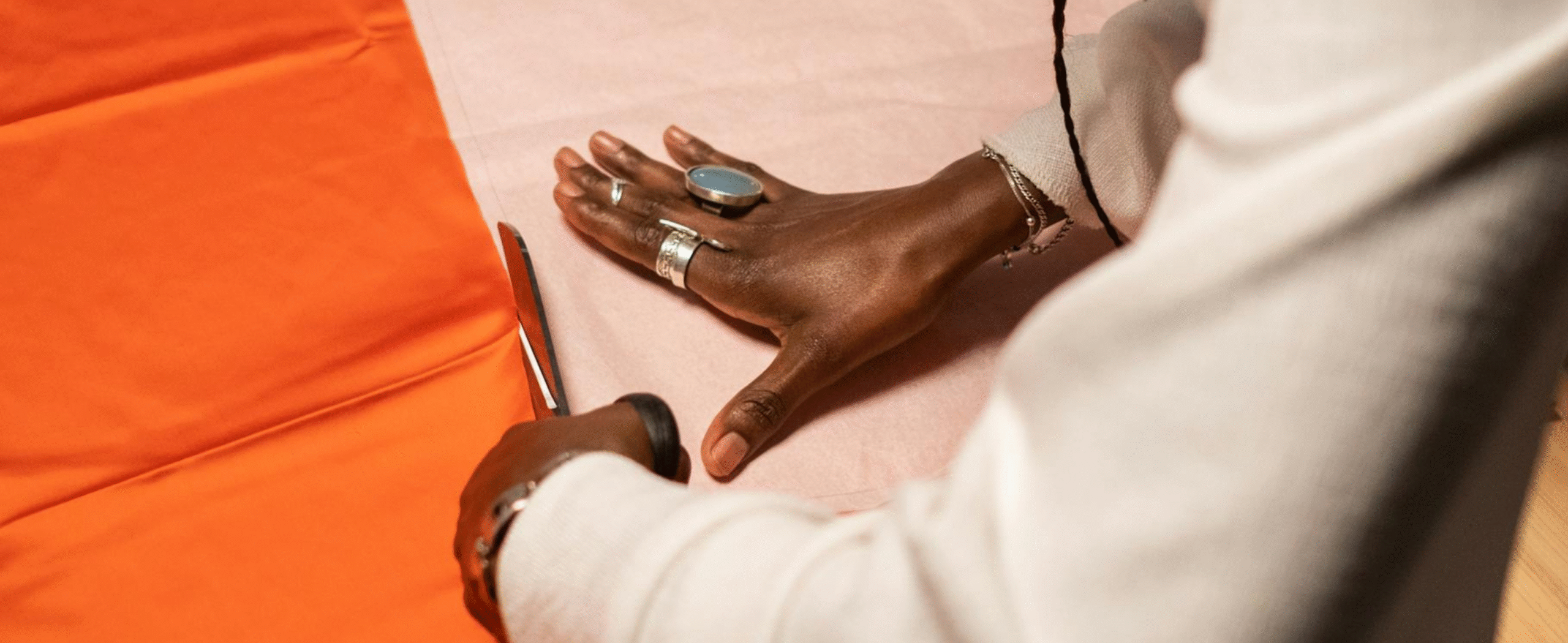
What Can Be Altered on a Silk Garment? More than most people expect!
Silk garments require specialized tailoring techniques due to their delicate nature. This guide outlines what can be altered on a silk garment, covering key modifications like resizing, hemming, strap adjustments, bias-cut tailoring, and common repairs. Understanding these realistic silk alteration options will help ensure a perfect fit while preserving the integrity of the fabric. Here’s what’s realistic:
Silk Alterations:
Taking in / resizing
-
What to Know: Darts shape the bust, waist, or hips without disrupting the fabric’s natural flow. French seams enclose the raw edge for a clean, durable finish that won’t fray
Hemming
-
What to Know: Rolled or hand-stitched baby hems are ideal for lightweight silks — minimal, and fray-resistant. Heavier silks can support a hand-stitched blind hem
Strap adjustments
-
What to Know: Spaghetti and thin straps are typically shortened from the back to preserve the original neckline shape
Bias-cut alterations
-
What to Know: Possible, but highly technical — even small seam changes affect the entire drape of the garment. Expert knowledge of garment construction is essential
Repairs
-
What to Know: Torn underarm seams, pulls, and worn areas at high-friction points are common and well worth fixing on a quality silk piece
The One Rule for Tailoring Silk: Size Up, Don’t Let Out
Silk scars. This means that every needle hole leaves a permanent mark in the fiber — similar in principle to the marks left when altering leather. This means that letting a silk garment out is rarely advisable, because the original stitch lines often remain visible on the face of the fabric.
If you’re between sizes in a silk piece, always size up and have it taken in. Going the other direction is a risk that even the best tailor can’t fully undo.

What Professional Silk Tailoring Actually Involves
Before anything is sewn on a silk garment, a skilled tailor will usually:
Hand-baste – temporarily stitching by hand to hold the fabric in place while working, as silk shifts and slides in ways woven fabrics don’t.
Use ultra-fine needles -size 60/8 or 70/10, to minimize the look of each stitch. Standard needles leave marks.
Press with extreme care – low heat, a press cloth, and a lifting motion rather than sliding.
Each of these steps adds time and complexity.
The Bottom Line
A well-altered silk garment is non negotiable. A badly altered one is obvious and often irreversible due to the reflective, delicate nature of the fabric. The combination of technique, tools, and finishing involved is exactly why altering silk should never be a DIY project.
At Alts, we work with silk regularly — from vintage slip dresses to contemporary bias-cut gowns — and treat every piece with the level of care the fabric demands.

